Dialogue You Can Measure: At the KAICIID European Parliamentary Talks
Nov 23, 2026
•Debates

The easy way to end a debate on AI and religion is with another statement of principles. At the European Parliament in Brussels on Thursday 12 November 2026, Matthew Harvey Sanders, CEO of Longbeard, asked for something that can be checked instead: practical work, within two years, whose results can be assessed. He was speaking on the final panel of “Re-writing the Code: Dialogue for Action in the Era of AI”, the third KAICIID European Parliamentary Talks.
The International Dialogue Centre (KAICIID) organised the afternoon, hosted by MEP Lukas Mandl and supported by the Inter-Parliamentary Union (IPU). It brought Members of the European Parliament, religious leaders and experts in AI and human rights together in the spirit of Article 17 of the Treaty on the Functioning of the European Union, which provides for regular dialogue between the EU institutions and religious and non-confessional organisations. The panels moved from what is at stake, to how algorithms are already shaping communities, to what can actually be done.
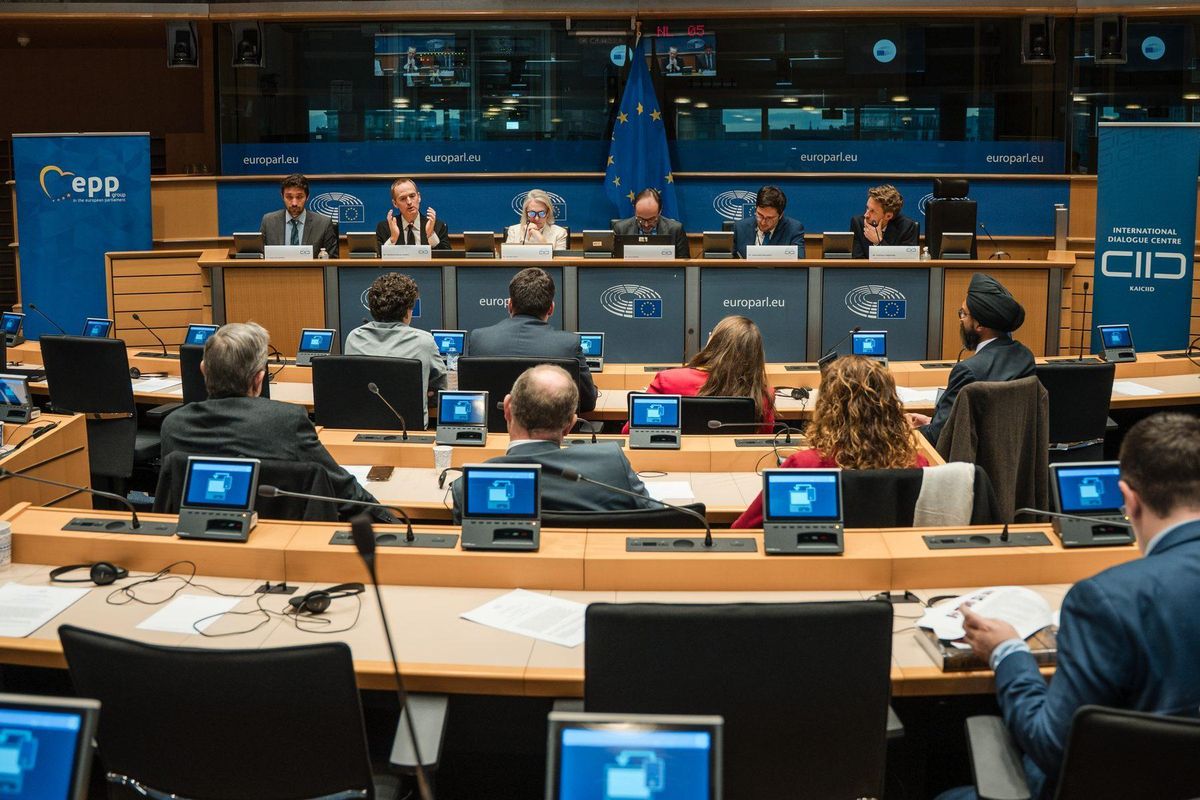
That last question was the title of his panel, “Dialogue of action: What can actually be done?”, moderated by journalist Jennifer Baker, with Juha Heikkilä of the European AI Office and Alessandro Benedetti of the Bahá’í International Community. Drawing on Longbeard’s experience building AI grounded in Catholic teaching, he set out three priorities that religious communities, developers and policymakers could work on together: making authoritative sources available for responsible AI use, with the right permissions; public tests of whether AI systems represent religions accurately and fairly; and safeguards for sensitive pastoral and community data. Those safeguards include sovereign AI: systems that run on equipment a community owns, so its data stays under its control. That protects not only privacy, he said, but independence: communities should not depend entirely on technology whose prices, permitted uses and underlying values can change without their say.
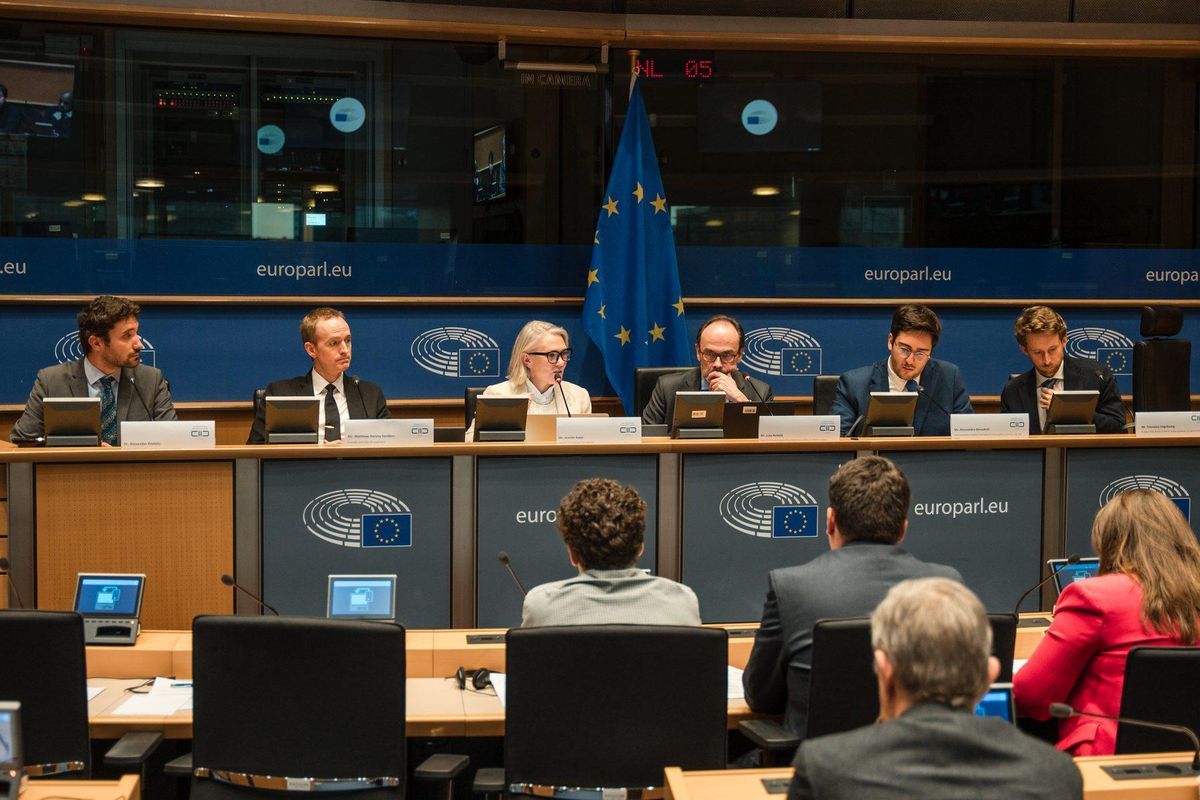
The European AI Office, he suggested, could help convene that work. Success, he said, would mean “better sources, demonstrably better answers, and clearer accountability”.
Header image: Photo: KAICIID


